Electric pressure cookers like the Instant Pot and traditional slow cookers like the Crock-Pot both make hands-off cooking easy. But they work very differently. One cooks fast under pressure, while the other cooks low and slow over many hours. Many multi-cookers now include both functions, which adds to the confusion.
This guide compares the two so you can decide which fits your schedule and cooking style. Always follow your appliance manufacturer’s instructions and safety guidance.
How Each Appliance Works
Electric Pressure Cookers
Electric pressure cookers seal tightly and build steam pressure inside the pot. Higher pressure raises the boiling point of water, allowing food to cook faster than in a regular pot. Many models, including the Instant Pot, are multi-cookers that also sauté, slow cook, steam, make rice and more.
Slow Cookers
Slow cookers heat food at low temperatures over several hours using a ceramic or metal insert surrounded by heating elements. They do not build pressure. Food cooks gently, often while you are away.
Speed
- Pressure cookers cook many dishes much faster, such as dried beans, tough cuts of meat and stews. Total time includes building and releasing pressure.
- Slow cookers take many hours but require little attention.
If you decide on dinner at 5 p.m., a pressure cooker can help. If you prefer to prep in the morning and come home to dinner, a slow cooker fits well.
Flavor and Texture
Pressure Cookers
Pressure cooking can tenderize tough cuts quickly. Sautéing before pressure cooking adds browned flavor. Some cooks find flavors less developed than long simmering, though many dishes turn out very well.
Slow Cookers
Long, gentle cooking can blend flavors and tenderize meats. Some slow cookers cannot brown food, so browning in a separate pan first adds flavor. Vegetables can become very soft over long cooking.
Convenience
Pressure Cookers
- Sauté and cook in one pot
- Fast cooking
- Need attention when releasing pressure
- Learning curve for pressure settings and release methods
Slow Cookers
- Simple to use
- Set and forget
- Long cooking times require planning
- Many models have programmable timers and keep-warm settings
Capacity
Both appliances come in various sizes. Common sizes include small units for one or two people and larger units for families and batch cooking. Pressure cookers have maximum fill lines, often lower for foods that foam or expand, such as beans and grains. Follow manual guidance.
Safety
Pressure Cooker Safety
Modern electric pressure cookers include multiple safety features, such as lid locks and pressure release valves. To use safely:
- Do not overfill. Follow fill lines.
- Keep valves and gaskets clean.
- Use enough liquid, as required by the manufacturer.
- Release pressure carefully, keeping hands and face away from steam.
- Never force the lid open.
Slow Cooker Food Safety
The USDA notes that slow cookers can safely cook food when used properly. Its guidance includes:
- Thaw meat and poultry before slow cooking
- Keep the lid on during cooking
- Fill the cooker between half and two-thirds full
- Refrigerate leftovers within two hours, rather than storing them in the slow cooker insert
Use a thermometer to check doneness. See kitchen thermometer guide.
Foods Each Does Best
Pressure Cookers Shine At
- Dried beans without soaking (or with shorter soaking)
- Tough cuts like chuck roast and pork shoulder in less time
- Stocks and broths
- Rice and grains
- Hard-boiled eggs
- Quick soups and stews
Slow Cookers Shine At
- Pulled pork and pot roast
- Chili and stews
- Soups that develop flavor over time
- Keeping dips and foods warm for parties
- Hands-off cooking while you are away
Multi-Cookers With Slow Cook Functions
Many pressure cookers include slow cook settings. Some users find these run differently from traditional slow cookers, so recipes may need adjustments. If slow cooking is your main use, a dedicated slow cooker may perform more predictably.
Cleaning
- Pressure cookers have stainless or nonstick inner pots, lids, sealing rings and valves. Sealing rings can absorb odors; some people keep separate rings for savory and sweet foods.
- Slow cookers often have ceramic inserts that are dishwasher safe in many models. Check instructions.
Counter Space and Storage
Both take up counter space. Pressure cookers are often taller, while slow cookers may be wider. Consider storage before buying both.
Energy Use
Pressure cookers cook for shorter times, while slow cookers use low power over long periods. Actual energy use depends on models and recipes.
Choosing Between Them
Choose a Pressure Cooker If
- You want fast meals
- You cook beans, grains and stocks often
- You like one-pot cooking with sautéing
- You want a versatile multi-cooker
Choose a Slow Cooker If
- You like set-and-forget meals
- You prepare food in the morning
- You want simplicity
- You entertain and need to keep food warm
Choose Both If
- You cook a wide variety of meals
- You have storage space
Brands to Compare
Popular brands include Instant Pot, Ninja, Crock-Pot, Hamilton Beach, Cuisinart and Breville. Compare current models and features.
Adapting Recipes Between Appliances
Recipes do not always translate directly. A few general notes:
- Liquid: Pressure cookers need a minimum amount of liquid to build pressure, while slow cookers lose little moisture during cooking. Slow cooker recipes may need less liquid than stovetop versions.
- Dairy and thickeners: Many recipes add cream, cheese or cornstarch at the end of cooking in either appliance to prevent curdling or scorching.
- Vegetables: Delicate vegetables can turn mushy. Add them later in cooking or use the saute function after pressure cooking.
Look for recipes written specifically for your appliance, especially when starting out.
A Sample Week
Some households use both appliances: a slow cooker chili on a busy workday, pressure-cooked beans for meal prep on the weekend and a quick pressure cooker soup on a night when plans change. Having both can add flexibility, but one appliance used often is better than two that collect dust.
Frequently Asked Questions
Can an Instant Pot replace a slow cooker?
Many models include slow cook functions, though some users find results differ from traditional slow cookers.
Is pressure cooking safe?
Modern electric pressure cookers have safety features. Follow instructions closely.
Can I put frozen meat in a slow cooker?
The USDA recommends thawing meat before slow cooking.
Which is better for beans?
Pressure cookers cook dried beans much faster.
Can I brown meat in a slow cooker?
Most traditional slow cookers cannot brown, though some models include searing functions.
The Bottom Line
Electric pressure cookers offer speed and versatility, while slow cookers offer simple, hands-off cooking over many hours. Choose based on your schedule and favorite meals, follow safety guidance and use a thermometer to confirm doneness.
Editorial note: Whisk Den is independent and reader-supported. This guide is based on research into manufacturer documentation, published specifications and widely accepted best practices; we have not been paid to mention any product. If we add affiliate links in the future, they will be clearly disclosed per our Affiliate Disclosure.
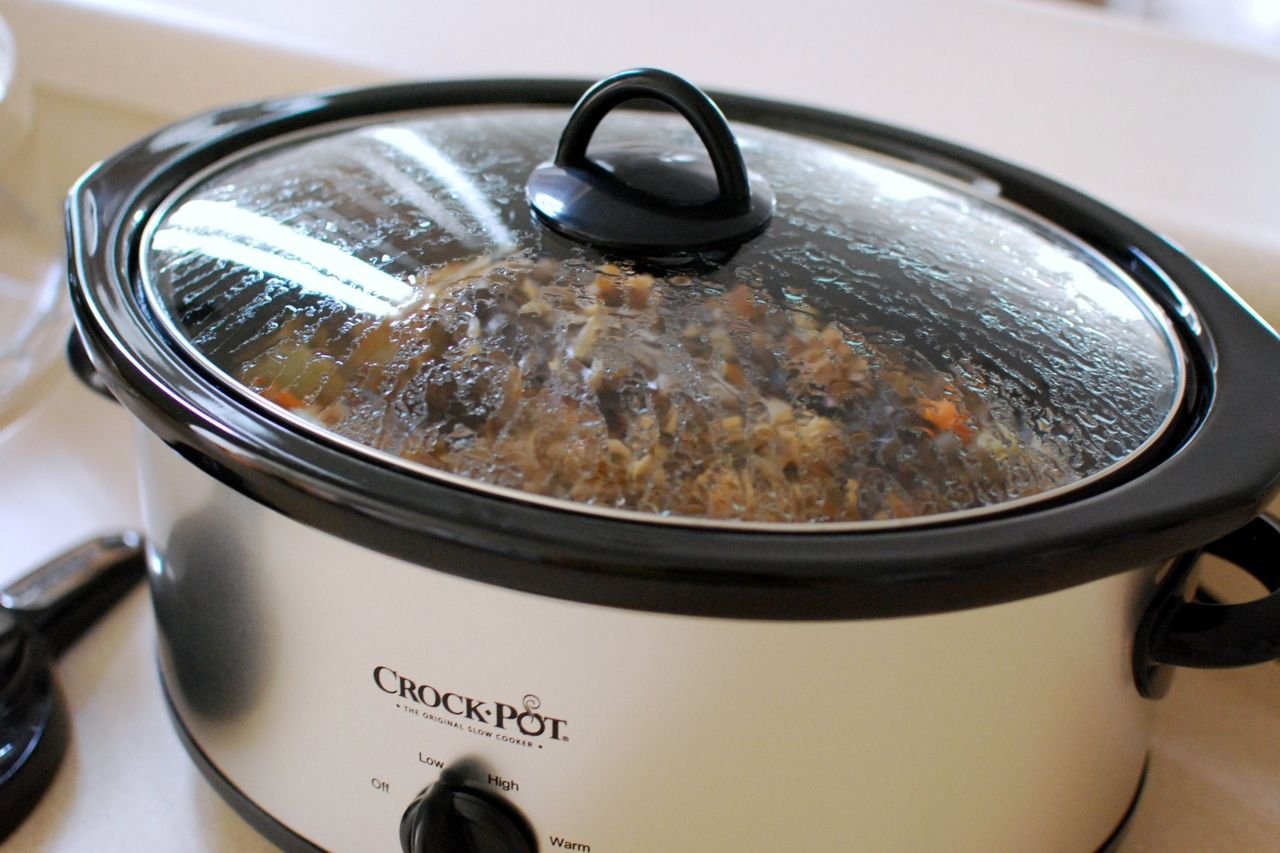
Photo: Crock pot by Janine from Mililani, Hawaii, United States, CC BY 2.0