A sharp knife is easier to control, cuts more cleanly and makes prep work more enjoyable. A dull knife needs more force, which can make it more likely to slip. Keeping knives sharp is a skill any home cook can learn, and the right method depends on your knives, budget and how much time you want to spend.
This guide explains the difference between honing and sharpening, walks through common sharpening methods and covers safety. Follow your knife manufacturer’s recommendations, especially for angle and sharpening tools.
Honing vs. Sharpening
Honing
Honing realigns the edge of a knife. With use, a knife’s thin edge bends slightly out of alignment, making it feel dull even though little metal has worn away. Honing straightens the edge without removing much metal.
Honing tools include:
- Steel honing rods
- Ceramic honing rods, which are slightly abrasive
- Diamond-coated rods, which are more abrasive and remove more metal
Many cooks hone frequently, such as before each use or every few uses.
Sharpening
Sharpening removes metal to create a new edge. It is needed when honing no longer restores sharpness. How often depends on use, steel and cutting surfaces. Many home cooks sharpen a few times a year.
How to Tell If Your Knife Is Dull
- The paper test: A sharp knife slices cleanly through a sheet of paper held in the air. A dull knife tears or snags.
- The tomato test: A sharp knife cuts through tomato skin easily without crushing.
- Light reflection: Look down at the edge under light. Bright spots along the edge may indicate dull or rolled areas.
How to Hone a Knife
- Hold the rod vertically with the tip resting on a towel or cutting board.
- Place the heel of the knife against the rod at the appropriate angle.
- Draw the knife down and toward you, sweeping from heel to tip.
- Alternate sides, making several light strokes on each side.
- Use light pressure.
Consistency of angle matters more than speed.
Sharpening Angles
Knives are sharpened at angles measured per side. Many Western knives use angles around 15 to 20 degrees per side, while many Japanese knives use narrower angles. Check your knife manufacturer’s guidance.
Sharpening With a Whetstone
Whetstones, also called water stones or sharpening stones, offer precise control and are popular with cooks who enjoy sharpening.
Grit Levels
- Coarse grits repair chips and very dull edges
- Medium grits sharpen dull knives
- Fine grits polish and refine edges
Many home cooks start with a combination stone that has a medium grit on one side and a fine grit on the other.
Preparing the Stone
Some stones need soaking, while others (“splash and go”) only need surface water. Follow the stone’s instructions. Place the stone on a non-slip base or damp towel.
Basic Whetstone Steps
- Set the angle. Hold the blade at your chosen angle against the stone. Angle guides can help beginners.
- Sharpen one side. Push or pull the blade across the stone in smooth strokes, covering the whole edge from heel to tip.
- Feel for a burr. A burr is a slight lip of metal on the opposite side. It shows you have sharpened to the edge.
- Switch sides and repeat.
- Move to a finer grit to refine the edge.
- Remove the burr with light alternating strokes or by stropping.
- Rinse and dry the knife and stone.
Flattening Stones
Stones wear unevenly over time. Flattening plates or lapping stones restore a flat surface.
Pull-Through Sharpeners
Pull-through sharpeners have preset angles and abrasive slots. You pull the knife through several times.
Pros: Easy, fast and inexpensive.
Cons: Fixed angles may not match your knife, and some remove more metal than necessary. Some are not suitable for Japanese knives or serrated blades.
Check compatibility with your knives.
Electric Sharpeners
Electric sharpeners use motorized abrasive wheels with angle guides. They are fast and consistent but can remove more metal. Some models include settings for different knife styles. Follow instructions closely.
Guided Sharpening Systems
Guided systems hold the knife or stone at a fixed angle, offering consistency between whetstones and pull-through sharpeners.
Professional Sharpening
Many kitchen stores, farmers markets and knife shops offer sharpening services. Professional sharpening can be a good option for expensive knives, damaged edges or anyone who prefers not to sharpen at home.
Serrated Knives
Serrated knives dull more slowly and need specialized tools, such as tapered ceramic rods. Many people use professional services.
Safety Tips
- Work slowly and keep fingers away from the edge
- Use a stable surface
- Consider cut-resistant gloves
- Clean knives carefully, wiping from spine to edge
- Store knives safely
Keeping Knives Sharp Longer
- Use wood or plastic cutting boards. See cutting board guide.
- Avoid glass, stone and ceramic surfaces
- Hand wash and dry immediately
- Store knives in blocks, magnetic strips or guards
- Avoid scraping food with the edge; use the spine
Common Mistakes
- Inconsistent angles that round the edge
- Too much pressure
- Skipping the burr
- Using the wrong tool for the knife type
- Confusing honing with sharpening
Choosing a Sharpening Method
| Method | Ease | Control | Cost |
|---|---|---|---|
| Honing rod | Easy | Medium | Low |
| Pull-through | Very easy | Low | Low |
| Electric | Easy | Low to medium | Medium |
| Whetstone | Requires practice | High | Low to medium |
| Professional | Easy | N/A | Per service |
A Simple Knife Care Schedule
- Before or after each use: Wash, dry and hone if your knife benefits from it.
- Every few months: Sharpen when honing no longer restores the edge.
- Yearly: Inspect edges for chips and handles for looseness, and consider professional sharpening for knives you rarely sharpen yourself.
Practicing on Inexpensive Knives
If you are learning to use a whetstone, practice on an inexpensive knife first. Mistakes such as uneven angles or scratched blades matter less on a knife you are not attached to. Once you can raise a consistent burr and remove it, move on to your better knives.
Frequently Asked Questions
How often should I sharpen my knives?
It depends on use. Many home cooks sharpen a few times a year and hone more often.
Is honing the same as sharpening?
No. Honing realigns the edge; sharpening removes metal to create a new edge.
Can I sharpen Japanese knives with a pull-through sharpener?
Some are not suitable. Check manufacturer guidance.
What grit whetstone should I buy?
Many beginners start with a medium/fine combination stone.
Do dull knives cause more accidents?
Dull knives need more force, which can make slips more likely.
The Bottom Line
Hone regularly to keep edges aligned and sharpen when honing no longer works. Whetstones offer the most control, pull-through and electric sharpeners offer convenience, and professional sharpening is always an option. Use proper angles, work safely and care for your knives to keep them sharp longer.
Editorial note: Whisk Den is independent and reader-supported. This guide is based on research into manufacturer documentation, published specifications and widely accepted best practices; we have not been paid to mention any product. If we add affiliate links in the future, they will be clearly disclosed per our Affiliate Disclosure.
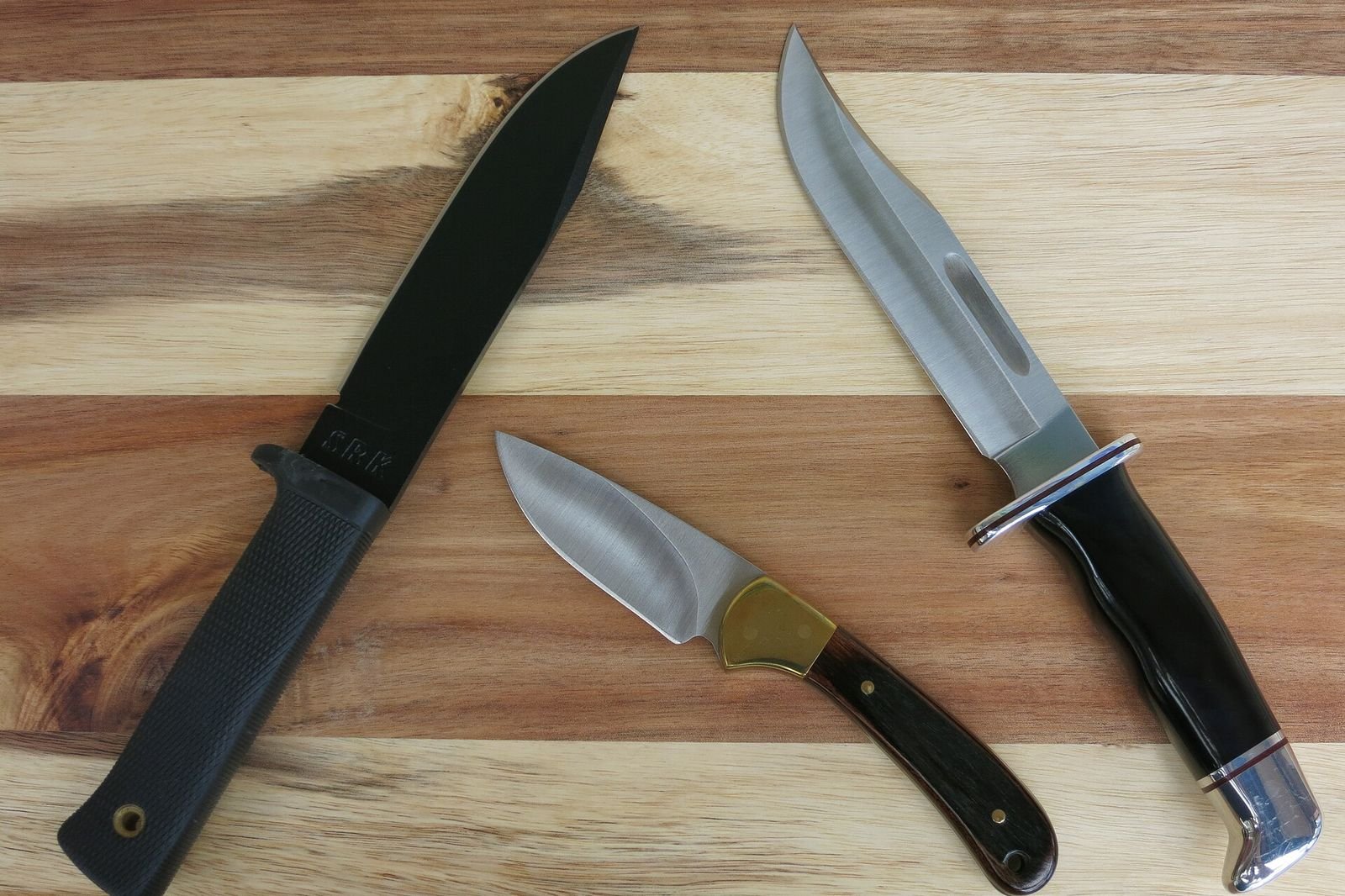
Photo: Knives by James Case from Philadelphia, Mississippi, U.S.A., CC BY 2.0