A good nonstick pan makes eggs, pancakes, fish and delicate foods much easier to cook and clean up. But nonstick pans vary widely in coating type, construction, heat tolerance and durability. Since every nonstick coating eventually wears out, choosing well also means understanding how to make it last.
This guide explains what to compare when shopping for a nonstick pan, rather than ranking specific products, since lineups and prices change often. Check current manufacturer specifications, care instructions and warranties before buying.
Types of Nonstick Coatings
PTFE (Traditional Nonstick)
Most traditional nonstick pans use PTFE (polytetrafluoroethylene), widely known by the brand name Teflon. PTFE coatings are known for very slick release.
A few points to know:
- Avoid overheating. Manufacturers generally advise against heating empty PTFE pans on high heat. Overheated PTFE can release fumes, and pet birds are known to be especially sensitive to them.
- PFOA: PFOA was historically used in making some PTFE coatings and has been phased out by major U.S. manufacturers. Many pans are labeled “PFOA-free.”
- PFAS discussion: PTFE belongs to a broader class of chemicals called PFAS. Some states have passed laws affecting labeling or sales of cookware with intentionally added PFAS. Rules are evolving, so check current information if this matters to you.
Ceramic Nonstick
Ceramic nonstick coatings are typically made using a sol-gel process and are marketed as PTFE-free. Many people choose them for that reason. Ceramic coatings often perform very well when new, but many users report that their nonstick release fades faster than PTFE coatings, especially with high heat or improper cleaning.
Hybrid Pans
Hybrid pans, like those from HexClad and similar brands, combine a stainless steel pattern with a nonstick coating. They are marketed as more durable and able to handle metal utensils, though they may not release food as easily as fully coated pans. Check what coating is used and follow care instructions.
Alternatives to Coated Nonstick
Cast iron and carbon steel develop nonstick properties through seasoning. They require different care but can last a very long time. See cast iron skillet care.
Pan Construction
Aluminum Body
Most nonstick pans use aluminum, which heats quickly and evenly. Thickness matters: thicker or hard-anodized aluminum tends to resist warping better than thin pressed aluminum.
Clad or Stainless Base
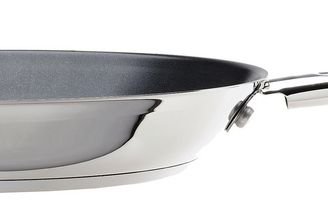
Some nonstick pans have a stainless steel exterior or bonded base. These may be heavier but more durable and are often induction compatible.
Induction Compatibility
Induction cooktops need magnetic cookware. Look for “induction compatible” labeling or a stainless steel base. A simple test is whether a magnet sticks firmly to the bottom.
Warping
Thin pans can warp, especially when moved from hot to cold, such as rinsing a hot pan under cold water. A warped pan may wobble on flat cooktops and heat unevenly.
Size and Shape
- 8-inch: Eggs and small portions
- 10-inch: Versatile everyday size
- 12-inch: Larger meals and family cooking
Consider the cooking surface, not just the rim diameter, since sloped sides reduce flat cooking area. Many people find a 10-inch pan the most useful starting point.
Handles and Lids
- Riveted handles are durable, though rivets can collect food residue
- Welded or screwed handles create smooth interiors but may loosen
- Stay-cool handles are comfortable on the stovetop
- Oven-safe handles let you finish dishes in the oven
- Lids add versatility; check if they are sold separately
Oven Safety
Oven-safe temperatures vary. Some nonstick pans are oven safe only to modest temperatures, while others are rated higher. Check the manufacturer’s rating for the pan and any lid, especially glass lids and silicone-wrapped handles.
Dishwasher Safety
Some pans are labeled dishwasher safe, but many manufacturers and cooks recommend hand washing to extend coating life. See how to clean nonstick pans.
Price and Lifespan
Nonstick pans range from budget to premium. Regardless of price, every nonstick coating eventually wears. How quickly depends on heat, utensils, cleaning and frequency of use. Some cooks buy affordable nonstick pans and replace them as needed, while investing more in stainless or cast iron for other tasks.
Brands to Compare
Popular nonstick brands include All-Clad, Calphalon, T-fal, Tramontina, OXO, GreenPan, Caraway, Made In, HexClad and others. Compare current coatings, construction and warranties.
Warranties
Warranties vary. Some exclude coating wear or damage from misuse. Read warranty terms closely.
How to Make Nonstick Last
- Use low to medium heat
- Avoid preheating empty pans on high heat
- Use wooden, silicone or nylon utensils
- Hand wash with a soft sponge
- Let pans cool before washing
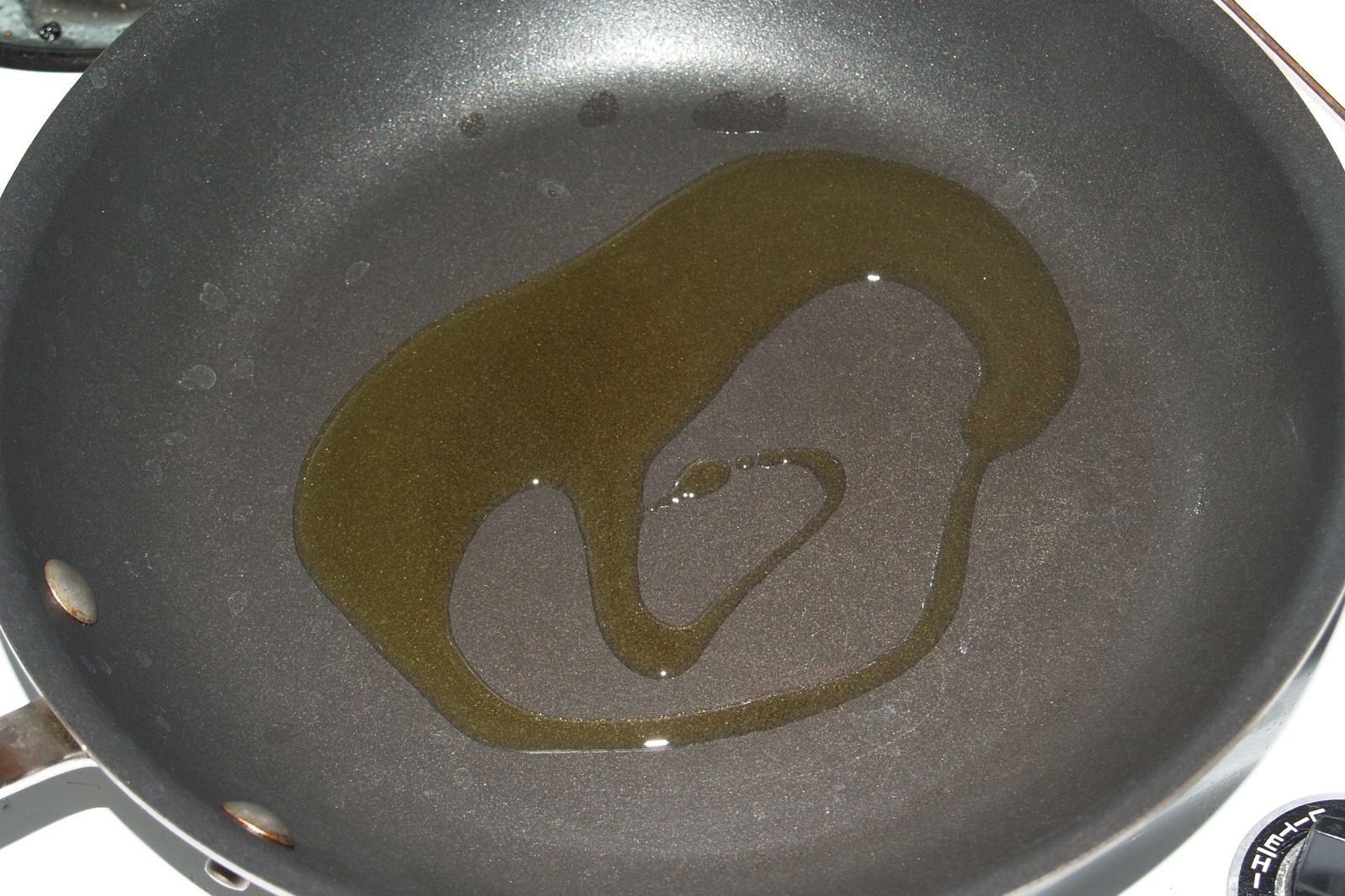
- Avoid cooking sprays that some manufacturers say can build up residue
- Store carefully with pan protectors or by hanging
When to Replace a Nonstick Pan
Consider replacing pans with:
- Flaking, peeling or deeply scratched coatings
- Food that sticks consistently despite proper use
- Warping that causes uneven cooking
Questions to Ask Before Buying
- Do you prefer PTFE, ceramic or hybrid coatings?
- Do you have an induction cooktop?
- What size pan will you use most?
- Do you need oven-safe handles?
- Are you willing to hand wash?
- What does the warranty cover?
Matching a Nonstick Pan to Your Cooking
For Eggs and Breakfast
An 8 or 10 inch skillet with sloped sides makes flipping omelets and pancakes easy. A lighter pan is easier to tilt and slide food out of. If eggs are your main use, a basic, well-reviewed pan is often all you need.
For Family Meals
A 12 inch skillet or a deeper saute pan gives more room for stir-fries, fish fillets and one-pan dinners. Look for a helper handle on larger pans, since they get heavy when full.
For Induction Cooktops
Not every nonstick pan works on induction. Look for a magnetic base and an induction-compatible label. A simple test is whether a magnet sticks firmly to the bottom of the pan.
Questions to Ask Before Buying
- What maximum temperature does the manufacturer recommend?
- Is the pan oven safe, and to what temperature, including the handle?
- Does the warranty cover the coating or only defects?
- Are metal utensils allowed, or only wood, silicone and nylon?
Reading the care instructions before buying helps you avoid surprises and choose a pan that suits how you cook.
Frequently Asked Questions
Is ceramic nonstick better than PTFE?
Each has trade-offs. Ceramic is PTFE-free, while PTFE coatings often last longer with proper care.
Can I use metal utensils on nonstick pans?
Most manufacturers recommend avoiding metal utensils unless specifically allowed.
Why does my nonstick pan stick now?
Coatings wear over time, and residue buildup can reduce release. Cleaning and care affect lifespan.
Are nonstick pans dishwasher safe?
Some are, but hand washing often extends coating life.
How long do nonstick pans last?
It varies by coating, use and care. All nonstick coatings eventually wear.
The Bottom Line
Choose a nonstick pan by comparing coating type, construction, induction compatibility, size and oven safety. Use low to medium heat, gentle utensils and hand washing to extend its life, and replace pans when coatings deteriorate.
Editorial note: Whisk Den is independent and reader-supported. This guide is based on research into manufacturer documentation, published specifications and widely accepted best practices; we have not been paid to mention any product. If we add affiliate links in the future, they will be clearly disclosed per our Affiliate Disclosure.
Photo: Frying pan by Stangoldsmith, CC BY 3.0