Air fryers have become one of the most popular kitchen appliances, but many people wonder how they differ from convection ovens, which also use fans to circulate hot air. Both can make crispy food with little oil, but they differ in size, speed, capacity and versatility.
This guide compares air fryers and convection ovens so you can decide which fits your cooking style and kitchen.
How Each Appliance Works
Convection Ovens
A convection oven uses a fan and often an extra heating element to circulate hot air around food. This helps food cook more evenly and can help browning. Many full-size ovens include a convection setting, and countertop convection ovens are also available.
Air Fryers
An air fryer is essentially a compact countertop convection oven. It uses a powerful fan close to a heating element in a small chamber. The small space and fast airflow help food crisp quickly.
Key Differences
Size and Capacity
- Air fryers have smaller cooking chambers. Basket models suit small batches, while larger or dual-basket models handle more.
- Convection ovens offer much more space, making them better for large meals, sheet pan dinners and baking multiple items at once.
Overcrowding an air fryer basket can reduce crispiness, so batch cooking may be needed for larger families.
Preheating
- Air fryers often preheat quickly or need little preheating because of their small size.
- Full-size ovens take longer to preheat. Countertop convection ovens preheat faster than full-size ovens.
Crispiness
Air fryers often produce crispier results for foods like frozen fries, wings and roasted vegetables, thanks to concentrated airflow. Convection ovens can also crisp food, especially on wire racks, but may take longer.
Cooking Evenness
Air fryer baskets may need shaking or flipping halfway through for even results. Convection ovens may need pan rotation in some models.
Counter Space
Air fryers take up counter space, and larger models can be bulky. Full-size convection ovens are built in, while countertop convection ovens and air fryer toaster ovens need counter space too.
Energy Use
Smaller appliances heating smaller spaces can use less energy for small portions, but energy use depends on the appliance, cooking time and portion size. Check appliance wattage and consider how you cook.
Noise
Air fryers have noticeable fan noise. Convection ovens also have fans but are often quieter.
Cleaning
- Basket air fryers have removable baskets and trays, often dishwasher safe. Check manufacturer guidance.
- Ovens require cleaning racks and interiors, and some have self-cleaning cycles.
Versatility
Convection ovens can bake, roast, broil and handle large pans. Air fryers excel at crisping small batches. Some air fryers include bake, roast, dehydrate and reheat functions.
Types of Air Fryers
Basket Air Fryers
Pull-out baskets are the most common style. They are compact and easy to use.
Dual-Basket Air Fryers
Two baskets let you cook two foods at once with different settings, then finish at the same time on some models.
Oven-Style Air Fryers
Oven-style models have racks and doors, offering more capacity. Many combine toaster oven and air fryer functions.
Air Fryer Lids and Multi-Cookers
Some pressure cookers include air fryer lids. See Instant Pot vs. slow cooker.
What Each Does Best
Air Fryers Shine At
- Frozen foods like fries and nuggets
- Reheating leftovers like pizza
- Small batches of wings or vegetables
- Quick cooking for one or two people
Convection Ovens Shine At
- Large meals and sheet pan dinners
- Baking cookies, cakes and bread
- Roasting whole chickens or turkey
- Cooking multiple dishes at once
Adapting Recipes
Air fryers and convection ovens often cook faster than conventional ovens. Many cooks reduce temperature or time when adapting recipes. Check manufacturer guides and use a thermometer to confirm doneness. See kitchen thermometer guide.
Food Safety
Regardless of appliance, cook foods to safe internal temperatures. The USDA publishes safe minimum internal temperatures for meat, poultry and seafood. A food thermometer is the most reliable way to check.
Safety Tips
- Leave space around air fryers for ventilation
- Do not block vents
- Avoid placing on heat-sensitive surfaces
- Follow manufacturer guidance on parchment and foil use, since loose liners can be pulled into the heating element
- Keep away from cabinets and walls as recommended
Choosing an Air Fryer
- Capacity for your household
- Basket vs. oven style
- Controls and presets
- Ease of cleaning
- Coating type on baskets
- Noise
- Counter space
Popular brands include Ninja, Instant, Cosori, Philips, Breville and others.
Do You Need Both?
If you have a full-size convection oven and cook for a small household, an air fryer may still be useful for quick crisping. If you have limited counter space, an air fryer toaster oven combines functions.
Questions to Ask Before Buying
- How many people do you cook for?
- What foods do you cook most?
- How much counter space do you have?
- Do you already have a convection oven?
- How important is cleanup?
Questions to Ask Before Buying
- How many people do you cook for? Small air fryer baskets suit one or two people, while families may prefer larger capacity or dual-basket models.
- Where will it live? Measure the counter space and the clearance under cabinets. Many appliances need space around vents while running.
- Do you already own a convection oven? If your oven has a convection setting, a small air fryer may add little beyond speed for small batches.
- How much cleanup are you willing to do? Baskets and trays vary in how easy they are to wash.
Getting Better Results From Either Appliance
- Avoid crowding. Air needs to circulate around food for even browning.
- Shake or flip food partway through cooking.
- Use a little oil on foods that are meant to be crisp.
- Check early. Fan-forced cooking often finishes sooner than standard oven recipes suggest.
- Use a thermometer for meat and poultry rather than judging by color. See the kitchen thermometer guide.
Frequently Asked Questions
Is an air fryer just a convection oven?
It works on similar principles but in a smaller space with faster airflow.
Can I use convection oven recipes in an air fryer?
Often, with adjustments for time and temperature.
Which is healthier?
Both can cook with little oil. Healthiness depends on the foods you cook.
Does an air fryer use less energy?
It can for small portions, but it depends on the appliance and use.
Can an air fryer replace an oven?
For small households and certain foods, possibly, but ovens handle larger meals and baking better.
The Bottom Line
Air fryers are compact convection ovens that excel at quick, crispy small batches. Convection ovens offer more capacity and versatility for large meals and baking. Choose based on household size, foods you cook and counter space.
Editorial note: Whisk Den is independent and reader-supported. This guide is based on research into manufacturer documentation, published specifications and widely accepted best practices; we have not been paid to mention any product. If we add affiliate links in the future, they will be clearly disclosed per our Affiliate Disclosure.
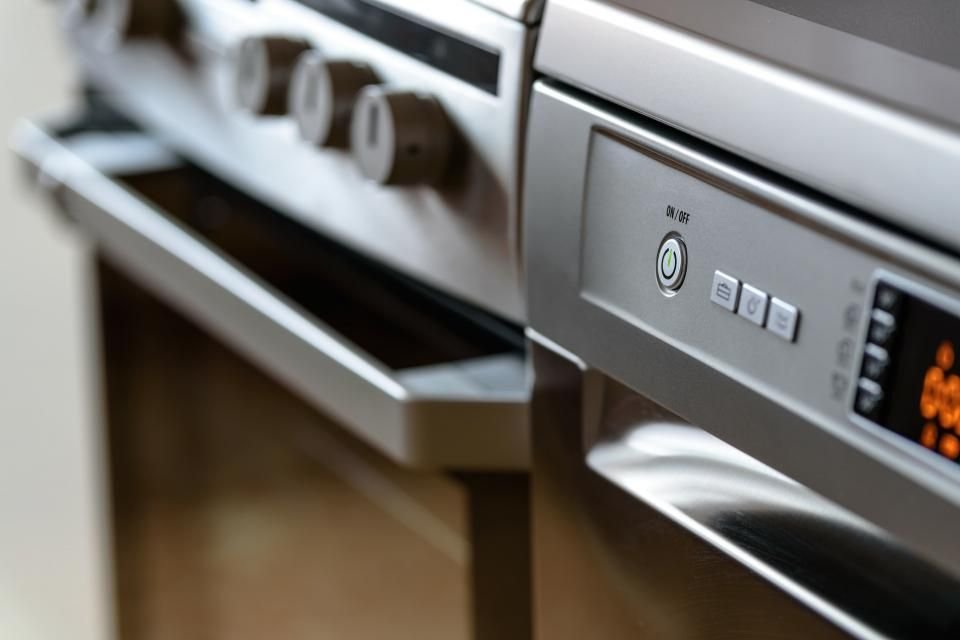
Photo: Technology Electronics by WDnet Studio, CC0 1.0